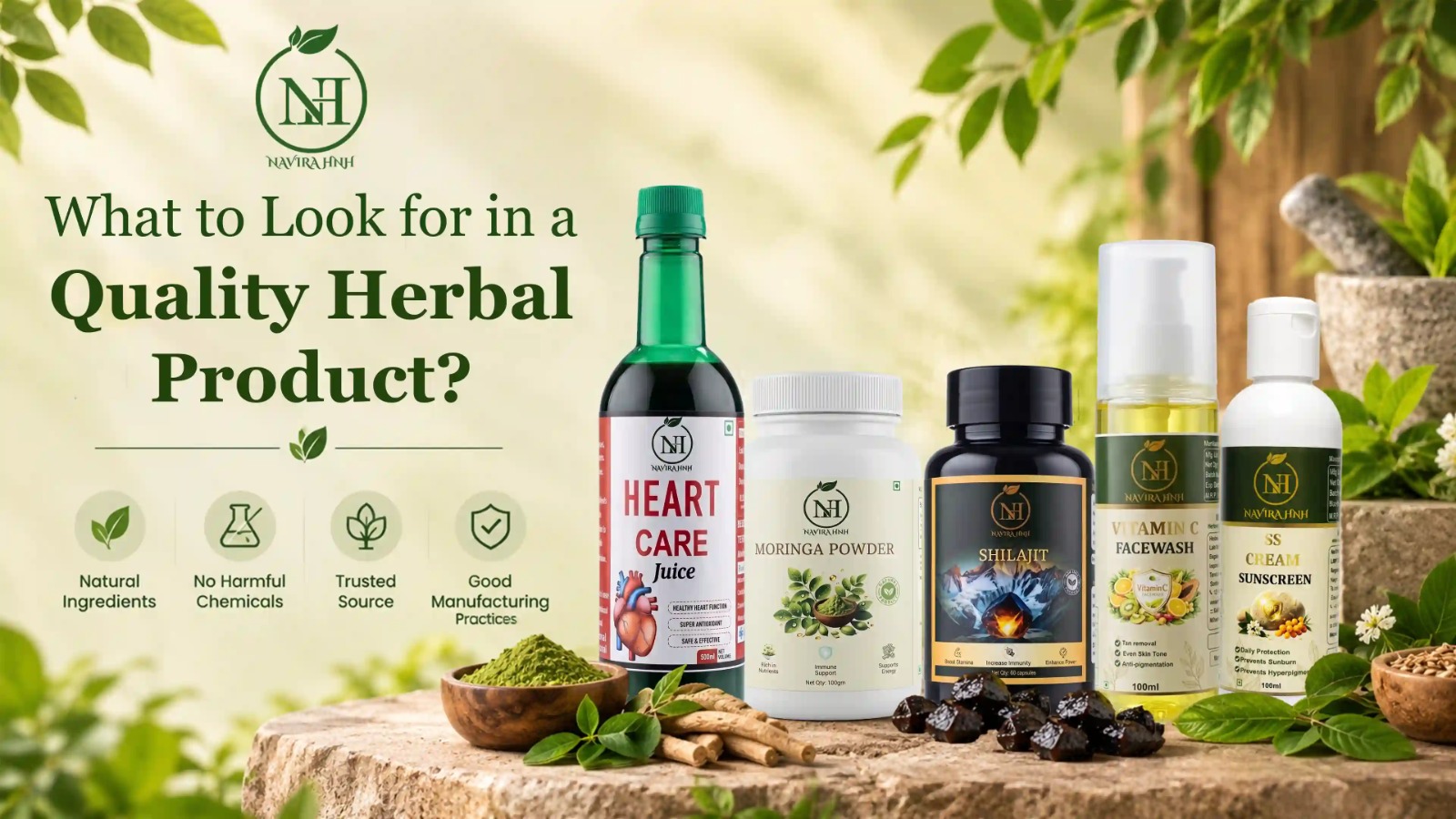
Ever picked up a bottle of herbal supplement, read the label twice, and still walked away unsure what you were actually buying? You're not alone. With so many herbal products in India crowding store shelves and online marketplaces, it's become genuinely hard to tell a well-made formula from one that's just riding the wellness trend.
The truth is, not all herbal
products are created equal. Two bottles can list the exact same ingredient on
the label and still be worlds apart in quality. The difference lies in what
happens long before the product reaches your hands — from where the herb was
grown to how it was processed, tested, and packed.
In this guide, we'll walk you
through exactly what separates a trusted herbal product from an average
one — so the next time you're standing in front of that shelf, you'll know
precisely what to look for.
Why the Journey from Ingredient to Bottle Actually Matters
Ayurveda has always believed
that the quality of a remedy depends on the quality of its source. A herb grown
in poor soil, harvested at the wrong time, or stored carelessly simply won't
offer the same value as one grown and handled with care.
This is why understanding herbal product
manufacturing isn't just for
industry insiders anymore. As consumers, knowing the basics helps us make
informed choices rather than relying purely on marketing claims or attractive
packaging.
Step 1: Where Do the Ingredients Come From?
Everything starts with
sourcing. This is arguably the most overlooked part of the whole process, yet
it shapes everything that follows.
Responsible Herbal Sourcing
Responsible herbal sourcing
means herbs are cultivated or wild-harvested in a way that respects both the
plant and the environment. Look for brands that mention:
●
Farming practices that avoid harmful pesticides
●
Harvesting herbs at the correct season and maturity
●
Fair treatment of farmers and local communities
●
Traceability — knowing exactly which farm or region an
herb came from
When a brand can tell you where an ingredient was grown,
that's usually a good sign they take herbal product ingredients
seriously, right from the soil up.
Step 2: How Is the Product Actually Made?
Once herbs are harvested, the
manufacturing process determines whether their natural goodness is preserved or
lost along the way.
Things Worth Checking
●
Cleaning and drying methods used before processing
●
Extraction techniques — traditional methods often preserve
more of the herb's natural character
●
Hygiene standards followed at the manufacturing unit
●
Batch testing done at various production stages
A brand that's transparent about its production process
usually has nothing to hide. If a company can walk you through their
manufacturing journey, that's a strong signal of herbal supplement quality.
Step 3: Testing — The Step Most People Skip Over
Testing is where a herbal
product either earns your trust or loses it. Reliable manufacturers test their
products at multiple stages — raw material, in-process, and finished goods.
What Good Testing Looks Like
●
Checking for purity and absence of contamination
●
Verifying the herb used matches what's on the label
●
Testing for heavy metals and microbial safety
●
Consistency checks across batches
This kind of diligence is what turns an ordinary product into
one of the trusted
herbal products
people come back to again and again.
Step 4: What the Label Should Actually Tell You
A label isn't just about
branding — it's meant to inform you. Good herbal product labeling gives
you clarity, not just a pretty design.
A Trustworthy Label Usually Includes
●
Full list of ingredients, without vague terms like
"proprietary blend"
●
Clear usage instructions
●
Manufacturing and expiry dates
●
Batch or lot number for traceability
●
Relevant certifications or licence numbers
If a label feels intentionally vague, that's usually a reason
to pause and look elsewhere.
Step 5: Packaging That Protects, Not Just Impresses
It's easy to get swept up by
attractive bottles and boxes, but herbal product packaging plays a
functional role too — it protects the product from moisture, light, and air,
all of which can affect quality over time.
●
Airtight and light-resistant containers for sensitive
herbal extracts
●
Tamper-evident seals for safety
●
Materials suitable for long-term storage
Good packaging isn't just about looking premium on a shelf —
it's about preserving what's inside.
Signs You're Looking at a Genuinely Good Herbal Product
If you're wondering how to
identify quality herbal products while standing in a store or scrolling
online, here's a quick checklist:
●
Transparent sourcing and manufacturing information
●
Clear, detailed labeling without exaggerated claims
●
Visible certifications or quality markings
●
Consistent texture, colour, and smell across batches
●
A brand that's open to answering your questions
Benefits of Choosing Thoughtfully Made Herbal Products
Choosing well-made natural
wellness products comes with everyday advantages that go beyond the product
itself:
●
Greater peace of mind knowing what you're bringing into
your routine
●
Better consistency from batch to batch
●
Support for ethical farming and sustainable practices
●
A more mindful, informed approach to wellness shopping
These aren't just nice-to-haves — they reflect the kind of
care that should come standard, not as an exception, in Ayurvedic wellness
products.
How Herb & House Approaches This Journey
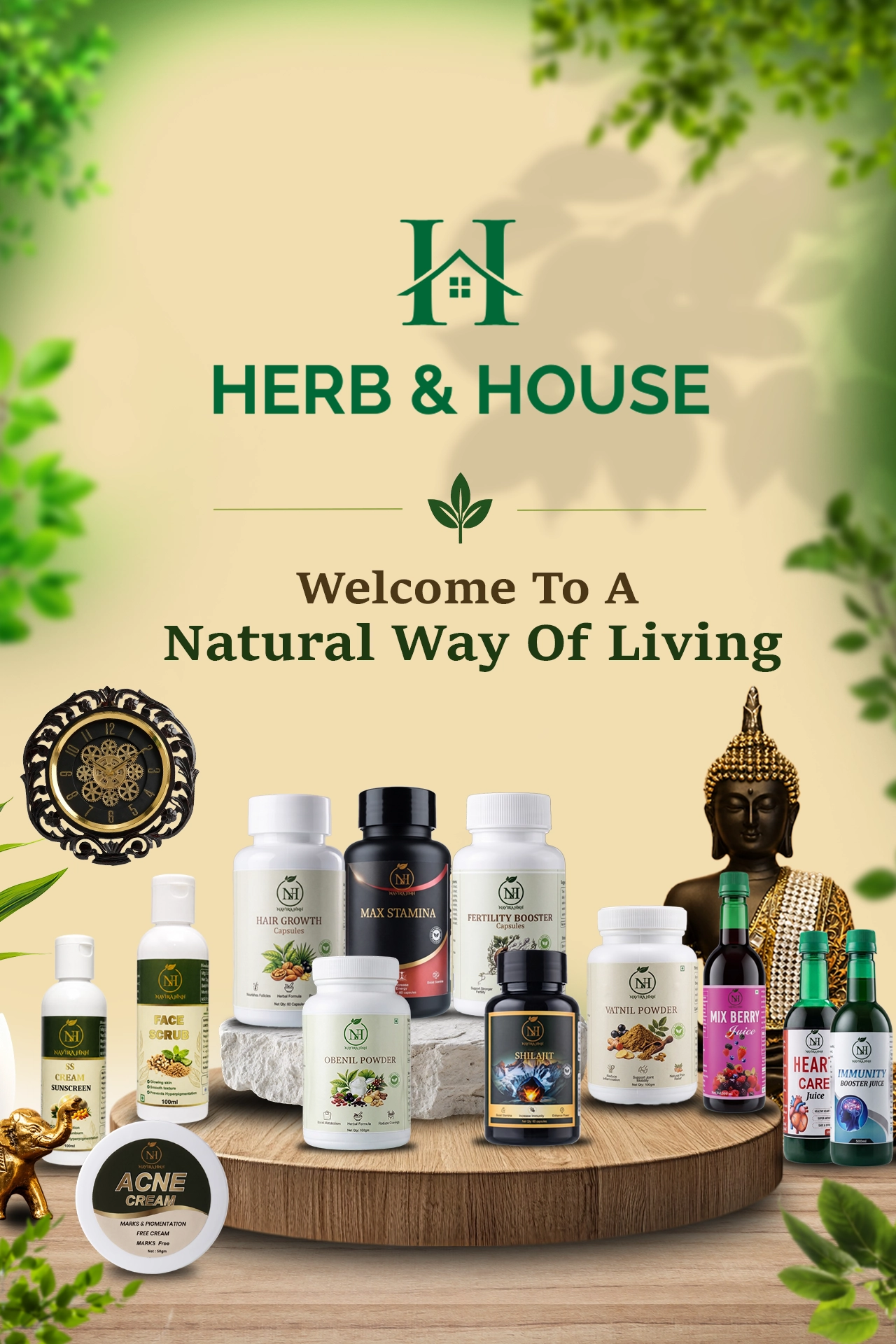
At Herb & House, we
believe every bottle should carry the same care that goes into a home remedy
passed down through generations. From selecting ingredients thoughtfully to
following mindful manufacturing practices and honest labeling, our approach is
built around transparency at every step — because that's what real trust in
wellness looks like.
Final Thoughts
The next time you pick up a herbal
product, take a moment before you buy. Flip the bottle around, read the label
properly, and ask yourself if the brand seems transparent about its process.
Good
wellness choices don't happen by accident — they come from paying
attention to the small details that most people skip. Whether it's a herbal
oil, a supplement, or a wellness blend, understanding the journey from
ingredient to bottle helps you make choices that feel right for you and your
family.
At the end of the day, wellness
isn't about chasing trends — it's about building small, informed habits that
support your everyday life. Take your time, ask questions, and choose brands
that are willing to be transparent with you. That's really all it takes to shop
smarter and feel more confident about what goes into your daily routine.