
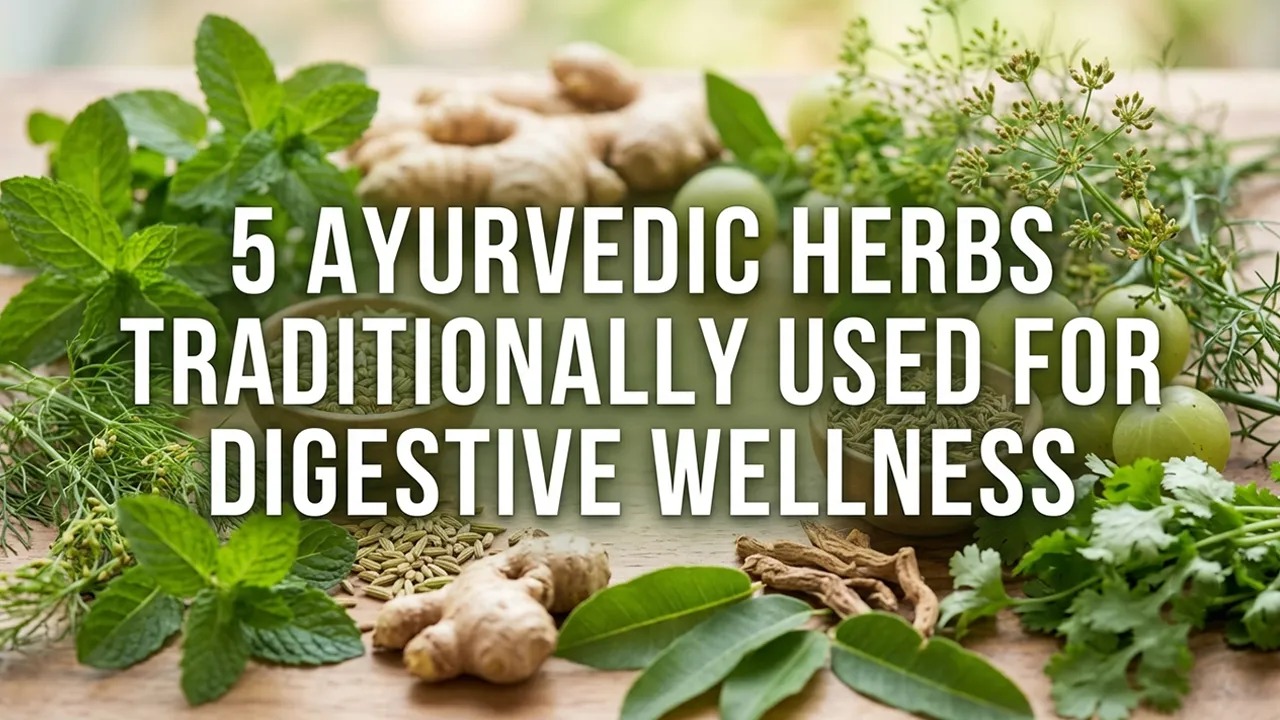
A comfortable digestive system plays an important role in everyday well-being. From what we eat to how we feel after meals, digestion can influence our daily energy, comfort, and overall routine. Ayurveda, India's traditional system of wellness, has long placed importance on maintaining healthy digestion through mindful eating, lifestyle habits, and herbs traditionally used to support digestive wellness.
Many Ayurvedic herbs have been used for generations as part of traditional dietary and wellness practices. Ingredients such as ginger, fennel, cumin, ajwain, and amla are particularly well known for their traditional association with digestion.
In this article, we explore 5 Ayurvedic herbs traditionally used for digestive wellness, how they are commonly incorporated into everyday routines, and some simple ways to make them part of a balanced lifestyle.
Note: The information in this article is based on traditional wellness practices and is not intended to diagnose, treat, or cure any medical condition. If you have persistent digestive symptoms or take medication, consult a qualified healthcare professional before using herbal supplements.
Why Digestive Wellness Matters
Digestion is a natural process through which the body breaks down food and absorbs nutrients. Supporting healthy digestive habits involves more than simply choosing a particular herb. Regular meals, adequate hydration, physical activity, sufficient sleep, and a balanced diet can all contribute to overall digestive wellness.
Ayurveda traditionally views digestion as an important part of maintaining balance in the body. This is why traditional Ayurvedic routines often include herbs and spices as part of meals, beverages, or other preparations.
The five herbs below are popular examples of ingredients traditionally associated with digestive wellness.
1. Ginger: A Traditional Digestive Herb
Ginger is one of the most familiar herbs used in traditional wellness practices. Its warm, aromatic nature has made it a popular ingredient in Indian kitchens and Ayurvedic traditions for generations.
Traditionally, ginger has been used as part of dietary practices intended to support comfortable digestion. It is also commonly enjoyed after meals or added to warm beverages.
How to include ginger in your routine
Fresh ginger can be added to:
Warm water or herbal tea
Soups and broths
Vegetable dishes
Curries
Homemade spice blends
A simple ginger infusion can be prepared by adding a few slices of fresh ginger to hot water and allowing it to steep before drinking.
Ginger is also widely used as a culinary spice, making it easy to incorporate into everyday meals without changing your routine significantly.
Why ginger is popular?
Its naturally warming flavor and versatility make ginger a practical ingredient for people looking to include traditional herbs in their daily diet.
2. Fennel: A Refreshing Post-Meal Tradition
Fennel seeds, commonly known as saunf in India, have a long history of culinary and traditional use. You may have noticed fennel seeds being served after meals in many Indian households and restaurants.
Traditionally, fennel is associated with digestive comfort and is often consumed after eating. Its naturally sweet and refreshing taste also makes it an enjoyable addition to a wellness routine.
Simple ways to use fennel
Fennel seeds can be:
Chewed after meals
Added to herbal infusions
Used in cooking
Combined with other traditional spices
Fennel tea is another simple option. Lightly crushed fennel seeds can be steeped in hot water for a few minutes and consumed as a warm beverage.
Because fennel has a naturally pleasant flavor, it can be an easy starting point for anyone interested in incorporating traditional herbs into their routine.
3. Cumin: An Everyday Kitchen Spice
Cumin, or jeera, is a staple spice in Indian cooking. Beyond its role in adding flavor and aroma to food, cumin has also been traditionally valued in Ayurveda and other traditional food practices.
It is commonly included in meals and traditional beverages as part of dietary routines associated with digestive wellness.
Cumin in your daily routine
One of the simplest ways to use cumin is through food. Add it to:
Dal
Vegetable preparations
Rice dishes
Soups
Curries
Homemade spice mixes
Roasted cumin can also be used to add flavor to traditional drinks and foods.
Some people prepare cumin-infused water by soaking or gently simmering cumin seeds in water. However, there is no need to make a complicated preparation—using cumin regularly in balanced meals is already a simple way to enjoy this traditional spice.
A simple approach to herbal wellness
Cumin highlights an important principle of Ayurveda-inspired wellness: traditional herbs and spices do not always need to be taken as supplements. Many can simply become part of everyday cooking.
4. Ajwain: A Traditional Indian Spice
Ajwain, also known as carom seeds, is another familiar ingredient in Indian kitchens. Its strong aroma and distinctive taste make it particularly popular in traditional recipes.
Ajwain has traditionally been used in Indian households as part of practices associated with digestive comfort, particularly after rich or heavy meals.
How ajwain is traditionally used
Ajwain may be used in:
Flatbreads
Parathas
Savoury snacks
Vegetable dishes
Spice blends
Traditional warm infusions
A small quantity can add a strong flavor, so it is generally used sparingly in cooking.
Some traditional households also prepare ajwain-infused water. However, herbal preparations should be used thoughtfully, especially by people with existing health conditions or those taking medications.
Making ajwain part of your lifestyle
Rather than relying on one ingredient for digestive health, consider ajwain as one component of a broader routine that includes balanced meals, mindful eating, hydration, and regular movement.
5. Amla: The Ayurvedic Fruit for Everyday Wellness
Amla, also known as Indian gooseberry, is one of the most recognized fruits in Ayurveda. It has traditionally been valued for its nutritional qualities and its role in various Ayurvedic preparations.
Amla is naturally associated with traditional wellness practices and is commonly available in forms such as fresh fruit, powder, juice, and herbal formulations.
Amla and digestive wellness
In traditional Ayurvedic practices, amla has been used as part of routines intended to support overall digestive and nutritional wellness. Its naturally tangy taste and versatility also make it suitable for a variety of preparations.
Amla can be incorporated into a routine through:
Amla powder
Amla-based drinks
Traditional preparations
Chutneys and food preparations
When choosing an amla product, check the ingredient list and follow the recommended serving instructions on the product label.
How to Incorporate Ayurvedic Herbs Into Your Daily Routine
Adding herbs to your lifestyle does not have to mean completely changing your diet. Small, consistent habits can make traditional wellness practices easier to maintain.
1. Use herbs in everyday cooking
Start with familiar ingredients such as cumin, ginger, fennel, and ajwain. Adding them to regular meals is one of the simplest approaches.
2. Choose simple preparations
Herbal teas and infusions can be convenient options. Keep preparations simple and avoid combining large numbers of herbs without understanding how they may interact.
3. Focus on your complete diet
Herbs work best as part of an overall balanced lifestyle. Include vegetables, fruits, whole grains, appropriate sources of protein, and adequate fluids in your daily diet.
4. Eat mindfully
Eating slowly and paying attention to meals can be just as important as what you add to your food. Try to avoid rushing through meals whenever possible.
5. Stay physically active
Regular movement is an important part of a healthy lifestyle. A short walk after meals can be an easy habit to incorporate into your day.
6. Stay hydrated
Adequate fluid intake supports normal body functions. Make water your primary source of hydration and adjust your intake according to your individual needs and environment.
Can You Use Multiple Ayurvedic Herbs Together?
Traditional recipes sometimes combine several herbs and spices. However, more herbs do not necessarily mean greater benefits.
Different herbs can have different effects, and some may not be appropriate for everyone. Certain herbal products can also interact with medicines or may not be suitable during pregnancy, breastfeeding, or for people with specific health conditions.
If you are considering concentrated herbal supplements rather than normal culinary quantities, it is best to speak with a qualified healthcare professional first.
Choosing Quality Herbal Products
If you prefer using herbal powders, juices, or supplements, quality and transparency matter.
Before purchasing an herbal product, look for:
A clear ingredient list
Recommended serving or usage instructions
Appropriate packaging and storage information
Manufacturer details
Batch or product information where applicable
Clear information about how the product should be used
At Herb & House, the focus is on bringing natural and traditional ingredients into modern everyday wellness routines. Whether you are exploring herbal powders, wellness products, or other natural essentials, choosing products with clear ingredient information can help you make more informed decisions.
Ayurveda Is About More Than One Herb
It is easy to look for a single ingredient that promises to solve a particular wellness concern. Traditional Ayurveda takes a broader approach.
Digestive wellness can be supported by looking at the complete routine—what you eat, when you eat, how you eat, how active you are, your sleep habits, and how consistently you follow healthy practices.
Ginger, fennel, cumin, ajwain, and amla can all be part of traditional wellness routines, but they should complement—not replace—a balanced lifestyle.
Final Thoughts
Traditional Ayurvedic wellness offers many simple ways to incorporate herbs and spices into everyday life. Ginger, fennel, cumin, ajwain, and amla are five well-known ingredients that have traditionally been associated with digestive wellness.
The key is not to depend on a single herb, but to build sustainable habits around nutritious food, mindful eating, hydration, movement, and rest. When used appropriately, traditional herbs can add both flavor and variety to a balanced wellness routine.
As you explore Ayurvedic ingredients, start simply, choose quality products, and pay attention to what works well for your individual lifestyle. And when in doubt—particularly when using concentrated herbal supplements—seek guidance from a qualified healthcare professional.