Summer is
just around the corner, and with it comes the quest to find the perfect
sunscreen. Among all the options crowding the shelves, you’ve probably noticed
one term popping up everywhere: SPF 50. But what does SPF 50 really
mean? And how do you choose the best one for your skin? If you’ve ever felt
overwhelmed by the jargon and the endless choices, you’re not alone. This guide
will break down everything you need to know about SPF 50 sunscreen —
from what the number signifies to how to pick the formula that suits your
lifestyle and skin type.
Understanding SPF: The Science Behind the Number
SPF stands for Sun
Protection Factor; a measure of how well a sunscreen can protect
your skin from UVB rays — the type of ultraviolet radiation that causes sunburn
and contributes to skin cancer. The SPF number essentially tells you how much
longer you can stay in the sun without burning, compared to having no sunscreen
at all.
For
example, if your skin normally starts to redden after 10 minutes in the sun, an
SPF 50 sunscreen theoretically allows you to stay out 50 times longer — or up
to 500 minutes — before burning. However, this is a simplified explanation, and
real-world factors like sweating, swimming, and uneven application reduce this
effectiveness.
Why Choose SPF 50?
Many
people wonder if SPF 50 is really necessary or if lower SPF values like 15 or
30 suffice. Here’s why SPF 50 is often recommended by dermatologists and skin
experts:
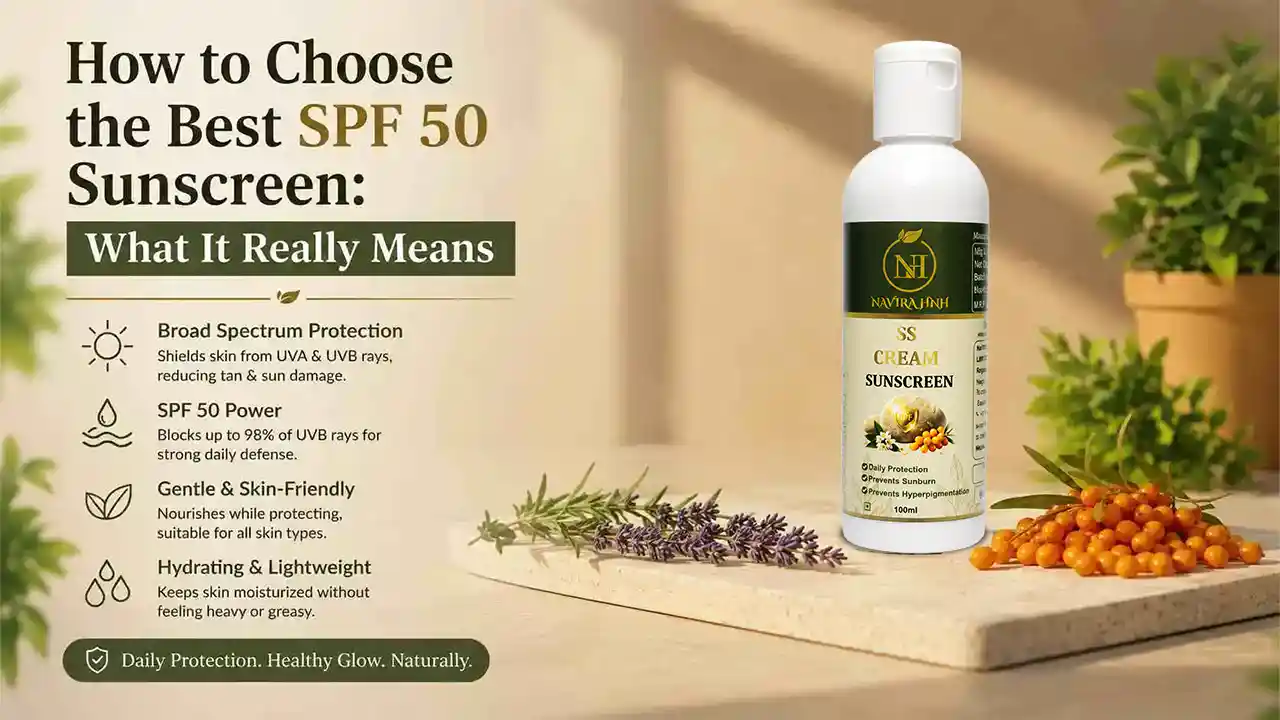
- High Protection Against UVB
Rays: SPF
50 blocks about 98% of UVB rays, compared to 97% blocked by SPF 30. While
the percentage difference seems small, it can make a big impact for
sensitive or fair skin.
- Better for Long Exposure: If you’re spending extended
time outdoors, especially during peak sun hours, SPF 50 provides a
stronger shield.
- Extra Safety Factor: Real-life use often means
less than perfect application. SPF 50 offers a buffer against these common
mishaps.
But What About UVA Protection?
Here’s
where things get a bit trickier. While SPF primarily measures UVB protection, UVA
rays also contribute to skin aging and cancer risk. The good news is many
modern sunscreens are labeled as “broad-spectrum”, meaning they protect
against both UVA and
UVB rays. When
choosing a sunscreen, make sure it explicitly states broad-spectrum protection
to get comprehensive coverage.
Key Factors to Consider When Choosing the Best SPF
50 Sunscreen
Now that
you understand what SPF 50 means, let’s explore how to choose the best
sunscreen for your needs.
1. Skin Type and Sensitivity
- Oily or Acne-Prone Skin: Look for non-comedogenic
formulas that won’t clog pores. Gel or water-based sunscreens can feel
lighter.
- Dry Skin: Cream or lotion-based
sunscreens with moisturizing ingredients like hyaluronic acid or glycerin
help keep skin hydrated.
- Sensitive Skin: Mineral sunscreens with
zinc oxide or titanium dioxide are gentle and less likely to cause
irritation.
2. Water Resistance
If you
plan to swim or sweat, opt for sunscreens labeled water-resistant. Keep
in mind no sunscreen is waterproof, so reapplication after swimming or heavy
sweating is essential.
3. Ingredients Matter
Check the
ingredient list to avoid potential irritants like fragrances or alcohol if you
have sensitive skin. Mineral sunscreens (physical blockers) and chemical sunscreens work differently
but both can be effective. Mineral options sit on top of the skin to reflect UV
rays, while chemical ones absorb UV rays.
4. Texture and Finish
Choose a
sunscreen texture you enjoy using — whether it’s a lightweight spray, creamy
lotion, or matte finish. If it feels good on your skin, you’re more likely to
apply it generously and consistently.
5. Application Convenience
Consider
how you’ll apply sunscreen: daily moisturizer with SPF, dedicated sunscreen
stick, spray, or lotion. Products that fit smoothly into your routine make sun
protection easier to maintain.
6. Additional Benefits
Some
sunscreens offer extra perks like antioxidants, anti-aging ingredients, or
tinted formulas that even out skin tone. These can be beneficial if you want
multifunctional protection.
How to Use SPF 50 Sunscreen Effectively
Even the
best sunscreen won’t work unless applied correctly. Here are some tips to
maximize SPF 50 protection:
- Apply Generously: Most people apply only a
fraction of the recommended amount. Use about one ounce (a shot glass
full) for your entire body.
- Reapply Often: Reapply every two hours, or
immediately after swimming, sweating, or towel drying.
- Don’t Forget Easy-to-Miss
Spots:
Lips, ears, back of the neck, and tops of feet are common areas to miss.
- Use Alongside Other
Protection:
Sunglasses, hats, and shade are great complements to your sunscreen
routine.
Common Myths About SPF 50 Sunscreen
Let’s
clear up some misconceptions that might confuse your sunscreen choices:
- Myth: SPF 50 Means You Can
Stay in the Sun All Day Without Reapplying. False. SPF doesn’t account
for sunscreen wearing off. Reapplication is key.
- Myth: Higher SPF Means
Double the Protection. SPF 100 does not offer twice the protection
of SPF 50. Protection increases incrementally, with diminishing returns
above SPF 50.
- Myth: Sunscreen Is Only
Needed on Sunny Days. Over 80% of UV rays penetrate clouds.
Sunscreen is important year-round.
Top Recommendations for Choosing Your SPF 50
Sunscreen
When
shopping, look for brands that are dermatologist-tested, have positive
reviews for your skin type, and use broad-spectrum formulas. Some trusted
options include mineral-based sunscreens if you prefer natural ingredients, or
chemical sunscreens for lighter texture.
Remember,
the best sunscreen is the one you will wear regularly and correctly.
Final Thoughts: Why SPF 50 Sunscreen Is a Smart
Choice
Choosing
an SPF 50 sunscreen means opting for strong protection that guards
against the sun’s harmful UVB rays while often including broad-spectrum
defenses. It’s especially important if you have fair or sensitive skin, plan to
be outdoors for extended periods, or want an extra safety margin. By
considering your skin type, lifestyle, and the sunscreen’s ingredients and
texture, you can find a product that not only protects but feels good to wear.
Sun care
is a vital part of healthy skin habits and understanding what SPF 50 really means empowers you to make the
best choices for your skin’s future. So next time you face that sunscreen
aisle, you’ll know exactly what to look for and why it matters.
Stay
safe, enjoy the sunshine, and remember consistent protection is the real key
to glowing, healthy skin.